Why Anxiety Causes Dry Mouth — And How to Stop It Naturally
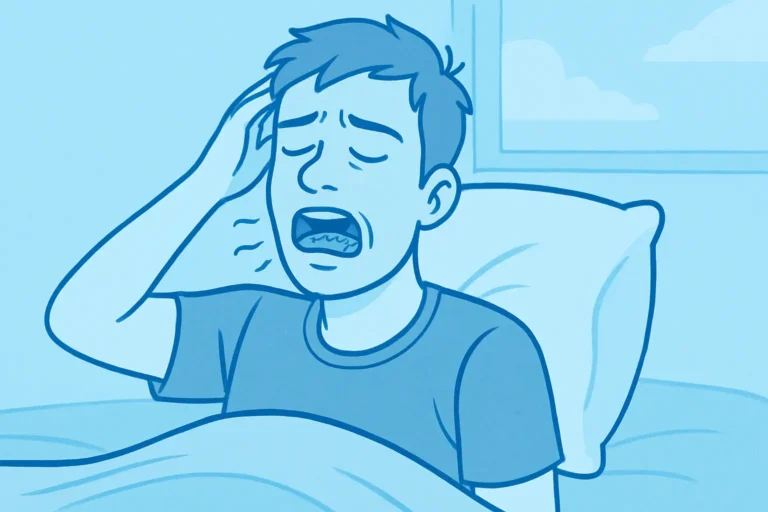
Ever notice your mouth suddenly go dry before a big presentation, job interview, or stressful conversation?
That sticky, cotton-like feeling isn’t just in your head — it’s your body reacting to stress and anxiety.
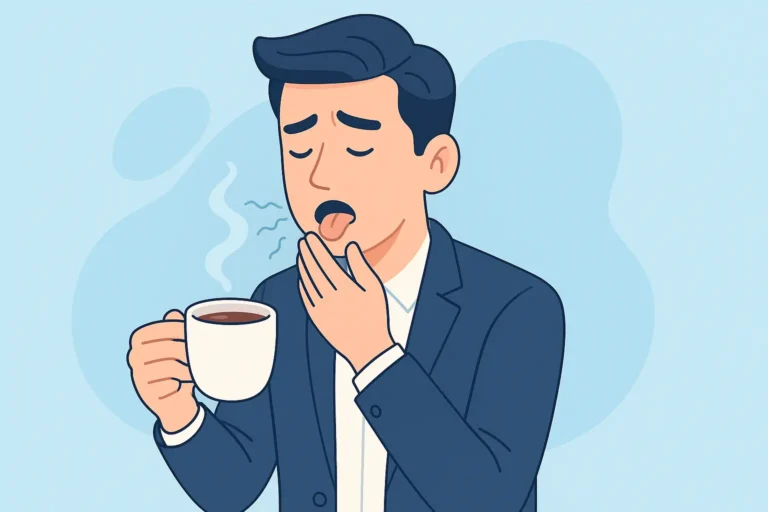
Dry mouth (also called xerostomia) during anxiety is surprisingly common. It’s part of how your body prepares for “fight or flight.” But when it happens too often, it can make speaking, swallowing, and even breathing uncomfortable.
Let’s take a closer look at why anxiety causes dry mouth, what’s happening inside your body, and what you can do to keep your mouth feeling normal again.
1. How Anxiety Affects Your Body
When you’re anxious, your body’s stress response system kicks in. It’s designed to protect you — but it can also throw things off balance.
Here’s what happens:
- Your brain signals your adrenal glands to release stress hormones like adrenaline and cortisol.
- Your heart rate increases, your breathing quickens, and blood flow shifts toward your muscles.
- Non-essential functions — like digestion and saliva production — slow down temporarily.
Saliva might not seem important, but it plays a huge role in your mouth’s comfort and health. When the body reduces saliva flow during stress, your mouth becomes dry almost instantly.
This is why people often describe feeling like their mouth “turns to sandpaper” in stressful moments.
2. The Role of the Sympathetic Nervous System
Your nervous system has two main branches:
- The sympathetic nervous system (SNS) — which activates your “fight or flight” mode.
- The parasympathetic nervous system (PNS) — which helps you “rest and digest.”
Under normal, calm conditions, your PNS keeps saliva flowing smoothly.
But during anxiety, the SNS dominates.
That means:
- Salivary glands get fewer signals to produce saliva.
- Mouth tissues dry out.
- Breathing patterns shift (you may breathe through your mouth), worsening dryness.
It’s a built-in survival mechanism — your body assumes you’re in danger and doesn’t prioritize moisture in your mouth.
3. Stress Hormones and Saliva Production
Research supports that stress hormones directly affect salivary flow.
When cortisol levels rise, the composition and amount of saliva change.
A 2015 study in the Journal of Oral Rehabilitation found that people under chronic stress or anxiety often have significantly reduced saliva flow rates compared to relaxed individuals.
Another study published in Psychosomatic Medicine observed that participants exposed to stressful tasks showed temporary suppression of salivary gland function, which returned to normal once stress subsided.
These findings show that anxiety doesn’t just make your mouth feel dry — it actually changes how your salivary glands work on a biological level.
(Sources: Journal of Oral Rehabilitation, 2015; Psychosomatic Medicine, 2006)
4. The Vicious Cycle: Dry Mouth Making Anxiety Worse
Ironically, dry mouth can make anxiety worse.
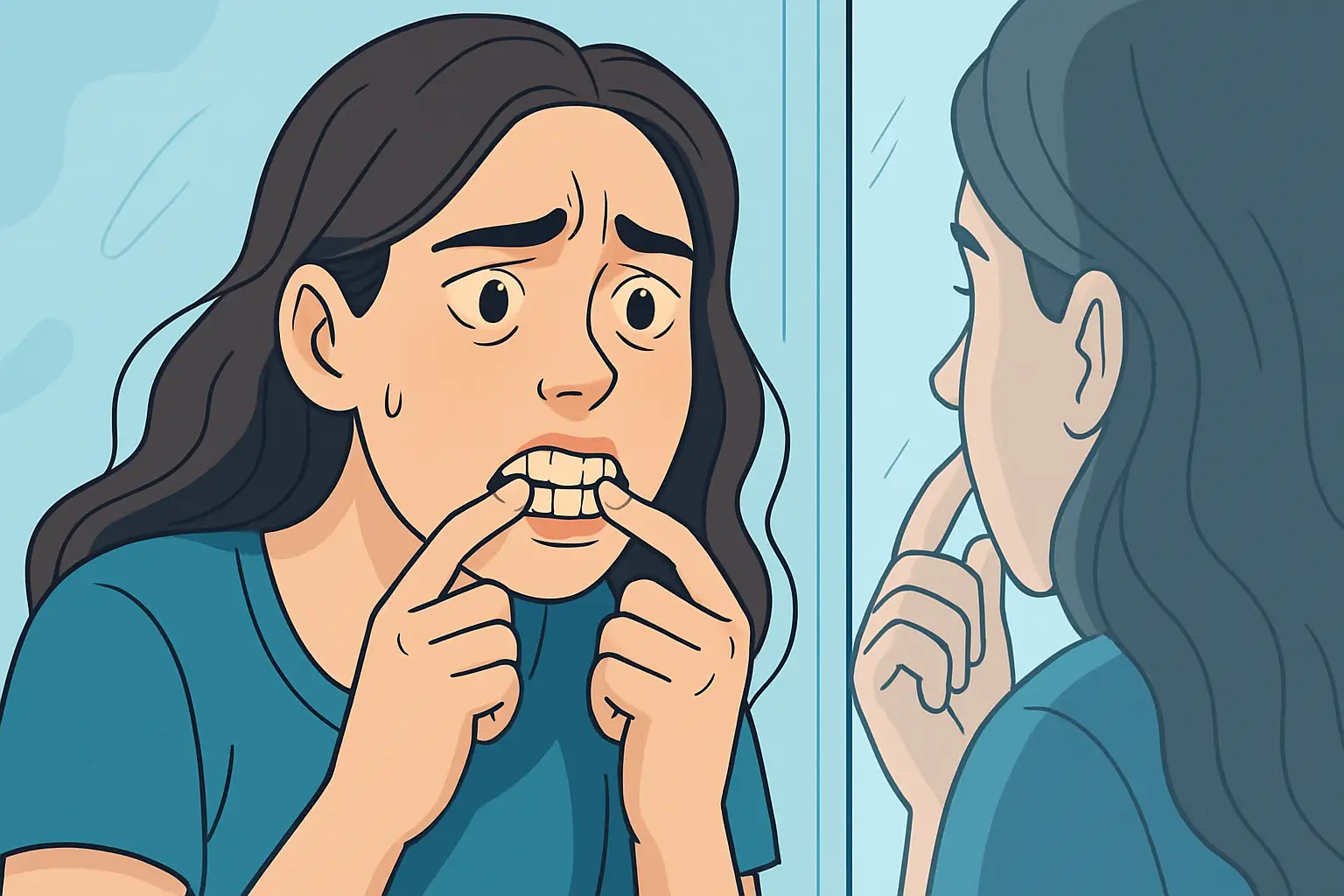
When your mouth is dry, you might start worrying about how you sound or whether you can speak comfortably.
This self-consciousness can fuel more anxiety, keeping your body in a stressed state — and keeping your mouth dry.
Many people describe it as a “loop”:
- Anxiety makes the mouth dry.
- Dry mouth makes them anxious about speaking or interacting.
- That extra anxiety makes the dryness worse.
Breaking this cycle takes both stress management and practical dry mouth relief.
5. Other Factors That Can Worsen Anxiety-Related Dry Mouth
While anxiety itself can cause dry mouth, other factors often make it worse:
a. Mouth Breathing
Anxiety often changes breathing patterns — many people breathe faster or through their mouths. Mouth breathing dries saliva quickly, especially if it continues for hours.
b. Dehydration
When you’re stressed, you might drink less water or more caffeine (which is dehydrating). That compounds the dryness.
c. Medications
Some anti-anxiety and antidepressant medications (like SSRIs or benzodiazepines) can cause dry mouth as a side effect. If your dryness started after starting a new medication, your doctor may adjust your dose or recommend alternatives.
d. Caffeine and Alcohol
Both reduce saliva flow. Coffee before a stressful event or alcohol to “take the edge off” may seem helpful, but they can actually worsen dry mouth symptoms.
6. How to Relieve Dry Mouth Caused by Anxiety
The good news? Anxiety-related dry mouth is usually temporary and reversible.
By calming your stress response and keeping your mouth hydrated, you can find real relief.
Here’s what helps:
a. Breathe Through Your Nose
Mouth breathing is one of the biggest culprits.
Try to breathe slowly through your nose, especially when you feel anxious.
Practice simple breathing exercises like:
- Inhale through your nose for 4 seconds.
- Hold for 2 seconds.
- Exhale gently through your mouth for 6 seconds.
This activates your parasympathetic nervous system, helping calm both anxiety and dryness.
b. Stay Hydrated
Drink small sips of water throughout the day.
Avoid sugary or acidic drinks, which can irritate your mouth.
You can also suck on ice chips or sugar-free lozenges to stimulate saliva.
c. Use Saliva Substitutes or Moisturizing Sprays
Over-the-counter saliva substitutes and xylitol-based mouth sprays mimic natural moisture and can provide quick comfort.
Look for products labeled “for dry mouth relief” — they’re safe and designed to lubricate your mouth without alcohol.
d. Limit Caffeine and Alcohol
Both can dehydrate your body and reduce saliva.
Switch to herbal teas, decaf coffee, or water with electrolytes if you tend to get anxious during the day.
e. Practice Relaxation Techniques
Regularly calming your mind helps your body produce saliva normally again.
Try:
- Mindful breathing or meditation
- Gentle stretching or yoga
- Listening to relaxing music
- Spending a few minutes outdoors
Even short breaks from stress can make a noticeable difference in how your mouth feels.
f. Chew Sugar-Free Gum
Chewing sugar-free gum with xylitol stimulates saliva flow naturally.
It also helps relieve tension in your jaw — another side effect of stress.
g. Talk to Your Doctor
If dry mouth persists or you suspect medication is causing it, speak to your doctor or dentist.
They might adjust your medication, suggest saliva stimulants, or recommend prescription solutions.
7. Long-Term Relief: Managing Anxiety and Oral Health Together
Addressing anxiety itself is the most effective way to reduce dry mouth long-term.
Here’s what helps:
- Cognitive behavioral therapy (CBT): Proven to reduce anxiety symptoms and physical effects like dry mouth.
- Regular exercise: Helps lower cortisol and improves hydration balance.
- Balanced diet: Nutrients like vitamin B and magnesium support nervous system health.
- Consistent sleep: Keeps your body’s stress systems regulated.
Over time, as your anxiety lessens, your saliva flow and mouth comfort typically return to normal.
8. When to See a Professional
Occasional dry mouth during anxiety is normal.
But if you experience constant dryness, even when relaxed, it’s worth getting checked.
Chronic dry mouth can increase your risk of:
- Cavities
- Gum disease
- Bad breath
- Difficulty swallowing or tasting food
Your dentist can test saliva flow, check for underlying causes, and recommend targeted treatments.
Final Thoughts
Dry mouth during anxiety is your body’s way of reacting to stress — not a disease in itself.
It happens because your stress hormones and nervous system temporarily suppress saliva production.
While it’s uncomfortable, it’s also manageable with the right steps: staying hydrated, breathing through your nose, using saliva substitutes, and calming your mind.
Over time, as you manage anxiety more effectively, you’ll likely notice your mouth feeling normal again — naturally.