
Dry Mouth Causes: Lifestyle and Environmental Triggers
Dry mouth, medically known as xerostomia, occurs when the salivary glands do not produce enough saliva to keep the mouth adequately moist. While many people associate dry mouth with medications or chronic illnesses, lifestyle and environmental triggers are often equally responsible. In fact, for a large portion of adults, everyday habits and surroundings quietly reduce saliva production without them realizing it.
Saliva is not just moisture. It is a protective biological fluid that supports digestion, protects teeth, balances oral bacteria, neutralizes acids, and keeps soft tissues comfortable. Therefore, when saliva decreases, multiple systems are affected at once. Understanding lifestyle and environmental triggers is essential because these causes are often modifiable. By identifying and correcting them, long-term complications can often be prevented.
This guide explores the most important lifestyle and environmental factors that contribute to dry mouth. Each section dives deeply into mechanisms, patterns, and practical implications so you can understand not only what causes dryness, but why it happens.
Why Saliva Production Is So Sensitive to Daily Habits
Saliva production is regulated by the autonomic nervous system. This means it responds automatically to hydration levels, stress, temperature, hormones, and even emotional state. Because of this sensitivity, small changes in daily routine can significantly affect oral moisture.
Saliva is continuously produced throughout the day, but its flow rate changes depending on stimulation. Eating, chewing, smelling food, and even thinking about food increase saliva. In contrast, dehydration, stress hormones, and certain environmental exposures decrease it. Therefore, lifestyle and environment directly shape how much saliva is available at any given time.
When saliva drops below a certain threshold, the mouth begins to feel sticky or dry. However, dryness is more than discomfort. Reduced saliva weakens enamel defense, slows tissue healing, and alters the oral microbiome. Over time, this imbalance may lead to cavities, gum inflammation, fungal infections, and difficulty swallowing.
Because saliva responds so quickly to daily inputs, consistent habits matter more than occasional changes.
Chronic Low-Grade Dehydration
The most common and underestimated cause of dry mouth is chronic mild dehydration. Many people are not severely dehydrated, but they consistently drink less water than their body requires. As a result, saliva production gradually declines.
The body prioritizes essential organs such as the brain and heart when fluid intake is insufficient. Saliva becomes secondary. Therefore, even slight fluid deficits can reduce mouth moisture. This effect becomes stronger in hot climates, during illness, or in physically demanding jobs.
Furthermore, thirst is not always a reliable indicator. By the time a person feels thirsty, mild dehydration may already be present. Older adults are especially vulnerable because thirst sensation weakens with age.
Additionally, beverages such as coffee, tea, sugary drinks, and alcohol often replace water intake. While these fluids contribute to hydration to some degree, their diuretic or sugar content can complicate saliva balance.
Maintaining steady hydration throughout the day supports stable salivary flow. Drinking small amounts regularly is more effective than consuming large volumes at once.
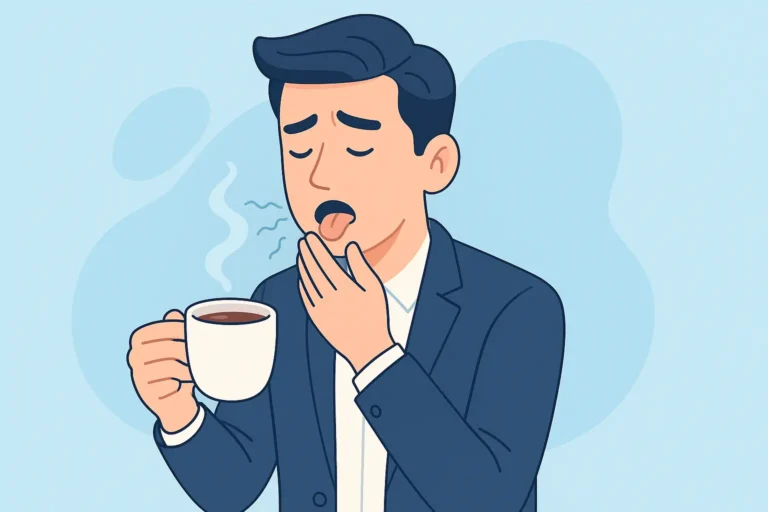
Excessive Caffeine Intake
Caffeine is deeply integrated into modern routines. However, it influences dry mouth in multiple ways.
First, caffeine has mild diuretic properties. Although moderate consumption may not cause major dehydration, repeated intake throughout the day increases fluid turnover. Second, caffeine stimulates the sympathetic nervous system, the same system activated during stress. This response can temporarily reduce saliva output.
Moreover, coffee and some teas contain compounds that may create a sensation of dryness even if saliva is present. This sensory dryness encourages individuals to drink more caffeine instead of water, reinforcing the cycle.
Energy drinks amplify the issue. They combine caffeine with sugar or artificial sweeteners, both of which can alter oral bacteria. In a low-saliva environment, this increases cavity risk.
Reducing total caffeine load and spacing it away from bedtime may improve both hydration and nighttime saliva production.
Alcohol and Oral Tissue Dehydration
Alcohol contributes to dry mouth both systemically and locally. Systemically, alcohol increases urine production, leading to fluid loss. Locally, it directly suppresses salivary gland activity and irritates oral tissues. [1]
Even moderate alcohol intake can temporarily reduce saliva flow. However, regular consumption compounds this effect. Nighttime alcohol use is particularly problematic because saliva naturally decreases during sleep. When alcohol is added, morning dryness becomes more intense.
Additionally, many alcoholic beverages contain sugar and acids. In the absence of adequate saliva, these substances remain in contact with enamel longer, increasing erosion and decay risk.
Alcohol-based mouthwashes also contribute to dryness. Although marketed as refreshing, they strip moisture from tissues and may worsen symptoms in people prone to xerostomia.
Replacing alcohol-containing oral products with non-alcohol alternatives is a simple preventive step.
Smoking and Nicotine Exposure
Smoking affects dry mouth through chemical irritation and glandular suppression. Tobacco smoke contains toxins that inflame salivary gland tissue. Over time, chronic exposure reduces gland efficiency.
Nicotine itself alters blood flow and nervous system signaling. Because saliva production depends on healthy nerve stimulation, this disruption leads to decreased output. Many smokers report persistent dry or thick saliva.
Furthermore, smoking increases mouth breathing patterns, especially during sleep. This compounds dryness by increasing airflow over oral tissues. [2]
Smokeless tobacco is not safer in this regard. It exposes tissues directly to irritants and can damage gland openings.
Quitting tobacco gradually restores salivary function and significantly reduces long-term oral health risks.
Mouth Breathing and Sleep Patterns
Mouth breathing is a powerful environmental trigger. When breathing through the mouth, air continuously evaporates surface moisture from the tongue and gums. Unlike nasal passages, the mouth does not humidify incoming air effectively.
People with allergies, chronic sinus congestion, deviated septum, or enlarged tonsils often breathe through the mouth unconsciously. During sleep, this pattern may worsen.
Snoring and sleep apnea are strongly linked to dry mouth. Continuous airflow overnight can leave tissues severely dehydrated by morning. [3]
Additionally, saliva naturally decreases during sleep. Therefore, mouth breathing during this time creates a double impact: low production combined with high evaporation.
Addressing nasal obstruction, improving sleep posture, and evaluating possible sleep apnea can significantly reduce dryness.
Indoor Air Quality and Humidity
Modern indoor environments often lack adequate humidity. Air conditioning systems remove moisture from air, while heating systems reduce relative humidity during colder months.
Low humidity increases evaporation from skin and mucous membranes, including the mouth. Office workers who spend long hours in climate-controlled environments frequently experience subtle but persistent dryness.
Dry air also thickens mucus secretions, making saliva feel insufficient even when some production exists.
Bedrooms are particularly important. Because saliva production drops at night, dry indoor air can intensify morning symptoms. Using a humidifier during sleep may restore balance.
Maintaining indoor humidity between forty and sixty percent supports mucosal comfort.
Environmental Pollution and Irritants
Air pollution, chemical fumes, and occupational exposures can irritate salivary glands and oral tissues. Industrial environments with dust, solvents, or strong odors increase dryness risk.
Even urban air pollution contributes to chronic low-grade inflammation of respiratory and oral tissues. Inflammation can impair gland function over time.
Additionally, frequent exposure to cleaning agents or disinfectants in enclosed spaces may reduce moisture perception.
Protective masks in dusty environments and adequate ventilation are important preventive strategies.
Psychological Stress and Nervous System Imbalance
Stress activates the sympathetic nervous system, suppressing saliva production. This is why dry mouth often occurs before presentations or stressful conversations.
However, chronic stress creates ongoing imbalance. Persistent activation of stress hormones alters baseline saliva flow.
Furthermore, stress changes behavior. Individuals under pressure may drink more caffeine, skip meals, neglect hydration, or sleep poorly. Each of these behaviors compounds dryness.
Stress management techniques such as controlled breathing, regular physical activity, and consistent sleep patterns indirectly support saliva production.
Diet Composition and Saliva Stimulation
Diet influences saliva through both mechanical and biochemical pathways.
Chewing stimulates salivary glands. Diets dominated by soft, processed foods reduce chewing stimulation. Over time, this may decrease baseline saliva flow.
Salty foods increase fluid demand, while spicy foods irritate tissues. Sugary snacks alter oral bacteria, increasing acid production when saliva is low.
Low-carbohydrate diets sometimes trigger temporary dryness during metabolic adaptation. This is partly due to fluid shifts in the body.
On the other hand, fibrous fruits and vegetables naturally stimulate saliva. Sugar-free gum containing xylitol can also increase flow without harming teeth.
Balanced nutrition supports both gland health and oral microbiome stability.
Hormonal Changes and Life Stages
Hormones influence salivary gland responsiveness. During menopause, reduced estrogen levels may decrease saliva production and increase tissue sensitivity.
Pregnancy also shifts fluid balance and hormone levels. Some individuals notice changes in saliva thickness or dryness during this time.
Thyroid imbalances can indirectly affect moisture regulation as well.
Because hormonal shifts interact with environmental dryness, symptoms may appear suddenly during life transitions.
Supporting hydration and monitoring oral health closely during these stages is especially important.
Physical Activity and Fluid Loss
Exercise benefits overall health, but intense or prolonged activity increases fluid loss through sweat and respiration.
When fluids are not adequately replaced, saliva production declines. Outdoor exercise in hot climates accelerates dehydration.
Athletes often breathe through their mouths during exertion. This increases evaporation and contributes to temporary dryness.
Hydration strategies should match activity level. Electrolyte replacement may be necessary during extended workouts.
Travel, Flights, and High Altitude
Airplane cabins maintain very low humidity levels. During flights, moisture evaporates rapidly from oral tissues.
Long travel days also disrupt hydration patterns. People may drink less water to avoid restroom use or consume more coffee and alcohol.
High-altitude destinations present similar challenges. Lower air pressure and humidity increase respiratory water loss.
Carrying water, limiting alcohol, and using saliva-stimulating lozenges can reduce travel-related dryness.
Digital Work Habits and Reduced Hydration Awareness
Extended screen time alters hydration behavior. Individuals working at computers often forget to drink water.
Additionally, constant indoor exposure and minimal movement reduce natural thirst cues.
Snacking on processed foods during screen work further increases dryness risk.
Establishing structured water breaks and keeping a visible water bottle nearby are simple but effective solutions.
Compounding Effects of Multiple Triggers
Dry mouth rarely results from one isolated cause. More often, several mild triggers overlap.
For example, someone may drink coffee, work in air conditioning, experience stress, exercise intensely, and sleep with mouth open. Individually, each factor causes minor dryness. Together, they produce persistent symptoms.
Identifying combined patterns is key to effective management.
Long-Term Consequences of Ignoring Lifestyle Triggers
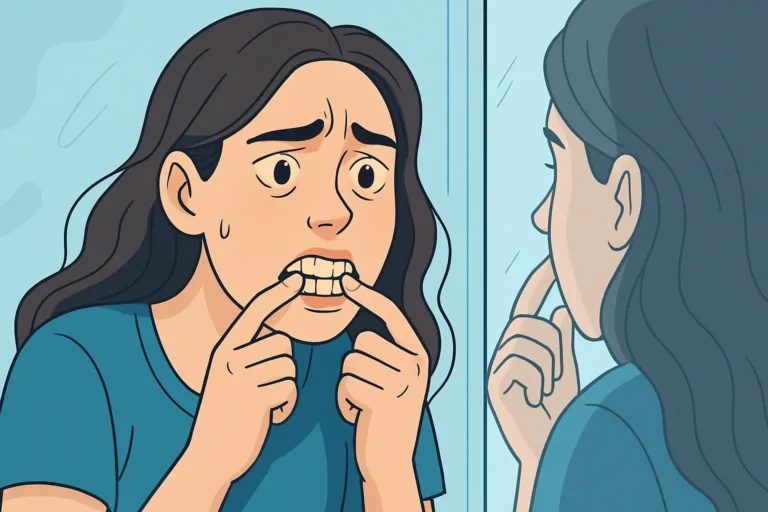
Without adequate saliva, enamel weakens. Cavities develop more easily, especially near the gumline.
Gums become inflamed due to bacterial imbalance. Oral fungal infections such as candidiasis become more common.
Difficulty swallowing and speaking may reduce confidence and social comfort.
Addressing triggers early prevents these complications.
Practical Prevention Framework
Effective prevention begins with hydration consistency. Drinking water regularly throughout the day stabilizes saliva flow.
Next, moderating caffeine and alcohol reduces systemic dehydration.
Improving indoor humidity supports nighttime comfort.
Quitting tobacco restores gland function over time.
Managing stress strengthens nervous system balance.
Eating a balanced diet rich in fibrous foods stimulates saliva naturally.
Regular dental checkups ensure early detection of complications.
Small, consistent changes create measurable improvement.
Final Perspective
Dry mouth is often the cumulative result of modern lifestyle and environmental exposure. While medical conditions and medications certainly contribute, everyday habits frequently play a central role.
Because these triggers are largely modifiable, individuals have significant control over their symptoms. Awareness leads to action. Action leads to relief.
By understanding how hydration, diet, stress, indoor air, sleep patterns, and daily routines interact with saliva production, long-term oral health can be protected.
Dry mouth does not have to be accepted as inevitable. With intentional lifestyle adjustments and environmental awareness, comfort and oral resilience can be restored and maintained.